Clear Ears, Clear Life: Professional Ear Wax Removal in Auckland
We are a team of passionate people who love what we do and care about hearing health. Our vision is to ensure children and adults have access to good hearing services to achieve their full potential in life. We are experienced audiologists who are registered full members of the New Zealand Audiological Society (MNZAS). Since graduating from the University of Auckland, we have both worked in a large audiology company in several clinics around Auckland. We have worked extensively with adults, children, and in specialised areas of audiological testing. We both have experience as clinic managers and supervisors. As independent audiologists, we aim to provide the best quality of care for every person and every family, ensuring that our clinical decisions and recommendations are best for you.
Understanding Ear Wax: Causes, Risks, and Safe Removal Methods
Ear wax, medically known as cerumen, is a natural substance produced by glands in the ear canal. It plays an important role in trapping dust, lubricating the skin, and providing a mild antibacterial barrier. However, when the balance of production and clearance is disrupted, ear wax can accumulate and lead to symptoms such as reduced hearing, fullness, tinnitus, discomfort, or even dizziness. Common contributors to impaction include the use of cotton buds, narrow or curvy ear canals, frequent use of in-ear devices, and older age.
Understanding the difference between normal cerumen and problematic impaction helps guide the choice of removal method. Home remedies like oil softeners or gentle warm water rinses can help loosen moderate build-ups, but they carry risks if used incorrectly. The use of cotton-tipped swabs often pushes wax deeper, increasing impaction and risk of injury to the eardrum. For persistent or symptomatic blockages, professional removal is the safest option.
Clinically recommended approaches include manual removal with microsuction, which uses a small vacuum and a microscope for direct visualisation, and professional irrigation performed under controlled conditions. Both methods allow precise removal with minimal discomfort when conducted by trained clinicians. For people with perforated eardrums, ear surgery history, or frequent infections, manual techniques like microsuction are preferred because they avoid introducing fluid into the middle ear. Recognising warning signs—severe pain, bleeding, sudden hearing loss, or discharge—should prompt urgent professional assessment rather than attempts at home treatment. Emphasising safety, effective ear wax removal hinges on accurate assessment, suitable technique selection, and the skills of the clinician performing the procedure.
Why Choose Registered Audiologists for Ear Wax Removal in Auckland
Choosing a registered audiologist ensures care that is evidence-based, professionally accountable, and tailored to individual needs. Registered professionals meet national standards, maintain continuing education, and adhere to clinical guidelines that prioritise safety and outcomes. Audiologists bring specialised training in ear anatomy, hearing assessment, and management of ear-related conditions, which makes them ideal for diagnosing whether hearing loss is due to cerumen impaction or another problem requiring further investigation.
Experienced clinicians assess the ear using otoscopy or video otoscopy to visualise wax, skin condition, and any red flags such as inflammation or perforation. They then recommend the most appropriate removal method—microsuction for direct visualisation and precise removal, or irrigation when suitable. For children and patients with special needs, an audiology clinic can adapt approaches to minimise anxiety and ensure cooperation, sometimes using distraction techniques or a parent-supported approach. Membership in professional bodies, including the New Zealand Audiological Society (MNZAS), demonstrates a commitment to best practice and ethical standards.
Choosing an independent, clinician-led practice often means longer appointment times, personalised aftercare advice, and careful follow-up to prevent recurrence. For residents searching specifically for local services, reputable clinics list their qualifications, methods, and safety protocols so patients can make informed choices. For reliable, local options consider booking an assessment with a qualified provider such as Ear Wax Removal Auckland who can provide both diagnosis and tailored treatment plans while ensuring the highest standards of care.
Case Studies, Practical Tips, and Aftercare to Maintain Ear Health
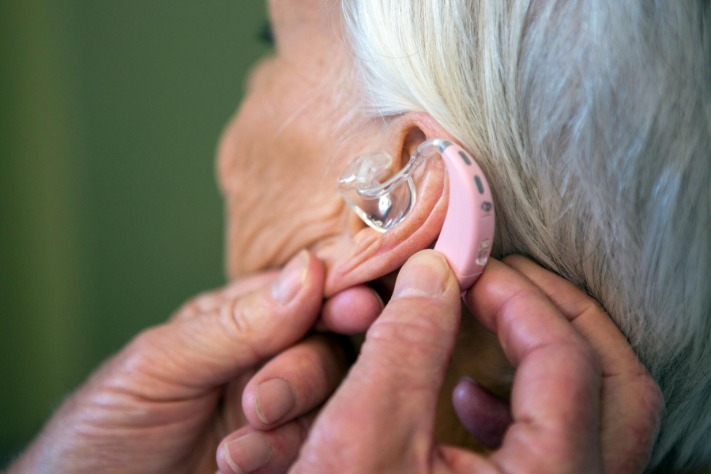
Real-world examples illustrate why professional care matters. A middle-aged hearing-aid user presented with sudden reduction in aid performance; examination revealed a dense plug compressing the hearing-aid fitting. Microsuction restored sound immediately and avoided unnecessary device reprogramming. Another example involved a toddler with recurrent ear rubbing and speech delay concerns; gentle, child-focused removal and follow-up hearing checks confirmed normal hearing thresholds and relieved parental concern. These cases show how timely, appropriate removal can have immediate functional and developmental benefits.
Practical tips for daily ear care focus on prevention: avoid inserting objects into the ear canal, allow the ear’s self-cleaning mechanism to work, and keep ears dry after swimming or showering to reduce infection risk. If wax tends to recur, periodic professional checks every 6–12 months can prevent symptomatic build-up. When using over-the-counter softening drops, follow the instructions and stop if pain or discharge develops. People with hearing devices should schedule regular clinic visits to inspect both the device and the ear canal for build-up, which can affect device performance and comfort.
After professional removal, aftercare advice commonly includes avoiding water entry for 24–48 hours if the ear was irrigated, monitoring for pain or discharge, and using prescribed drops only when specifically recommended. Patients should be informed about signs that require prompt follow-up: persistent hearing loss, severe pain, bleeding, or fever. Practical follow-up can also include education about lifestyle adjustments—like ear protection in noisy environments or when swimming—to support long-term ear health. By pairing skilled removal techniques with tailored prevention and aftercare, individuals across Auckland can maintain clearer hearing and reduce the likelihood of recurrent impaction.