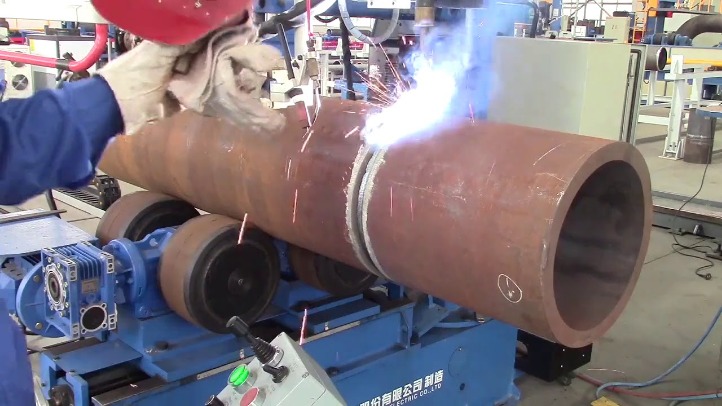
In a busy fabrication workshop, cutting nozzle orders often begin with a hurried message: “Get another one like the last.” That approach works only when the last one was correctly identified, the torch has not changed, the gas supply is unchanged, and the record is accurate. Workshops run several cutting stations, replace regulators, swap torches between bays, and introduce new gas arrangements. A disciplined record of gas and torch details before ordering cutting nozzles turns a memory-based purchase into a traceable procurement decision. It is not a welding procedure and does not replace qualified selection. It is the evidence that helps stores, maintenance, and purchasing ask the right questions before money is committed.
Why a Nozzle Order Needs a Torch Record, Not a Guess
Cutting nozzles are not interchangeable workshop consumables in the way a generic fastener might appear to be. Their suitability depends on the torch, the gas, the intended duty, and the manufacturer’s design. Two nozzles can look similar at a glance yet carry different markings, seat details, gas passages, or approved applications. Ordering by appearance alone can produce a part that does not fit, a return, a delayed job, or an attempt to make mismatched components work. The safest order begins with recorded identification, not with a guess based on shape or colour. Manufacturer documentation and qualified staff remain the authority on compatibility; the record simply puts the necessary facts in front of them.
The risk grows when a shop has mixed equipment. One bay may use an older torch set while a newer cell uses a different model. Stores may hold nozzles for both, but if the bin label is missing or the part number has worn away, the next order becomes uncertain. A torch record should capture the asset, not just the product category. If a torch has been repaired, modified, or reassigned, that history matters. If a regulator or gas supply has changed, that matters too. Recording these facts does not authorise a substitution; it flags that qualified review is needed before a purchase proceeds. Never use adapters, force fittings, or mix parts to bridge an identification gap.
A practical workshop scenario makes the point. A supervisor needs a replacement before a cutting job can restart. The old nozzle is unmarked, the torch label is partly worn, and the gas supply is described only as “the usual.” Without a record, the supplier receives a vague enquiry and may supply something that appears close. With a record, the supervisor can provide the torch manufacturer and model, asset number, gas designation as documented, existing nozzle identification, and a photograph of the markings. The supplier can then check the current catalogue and confirm the correct item against its documentation. That short recording step protects the schedule and reduces the chance of repeat errors.
What to Record: Gas, Torch, Tip, and Operating Details
Start with the gas details as they are written in supplier and manufacturer documentation. Record the fuel gas name or designation exactly, along with the oxygen supply arrangement where relevant. Avoid nicknames and workshop shorthand that can be misread. If the gas supply is part of a manifold or cylinder changeover system, record the asset or location identifier and note that the arrangement should be verified by a qualified person. Pressure settings, regulator models, and hose details can help the order file, but must come from current documentation and approved procedures. This article is procurement guidance, not an instruction for setting pressures or changing gases.
Next, record the torch. Useful fields include manufacturer, model, serial or asset number, type, and the station or bay where it is used. Add the existing nozzle’s manufacturer, part number, size or type marking, and any seat or fitting details that the manufacturer documents. Photographs of labels and markings help, but they should support the written record rather than replace it. Note pack quantity or specific labelling if required. When reviewing options such as Weldynasty’s cutting torch tips, match the catalogue entry to the recorded torch and gas data, then ask the supplier to confirm the details in writing. Do not treat a catalogue image as proof of compatibility.
Record operating details at procurement level, not invented at the desk. Note the application or work area, the approved procedure reference, and any manufacturer instructions that affect the nozzle choice. Capture private-label packaging or stores-label requirements in the order file. For repeat orders, attach the current product datasheet and the last written supplier confirmation. If any field is unknown, mark it as unknown and route the enquiry to a qualified person rather than filling the gap with an assumption. A complete record is not one that has every box filled; it is one that separates verified facts from open questions.
Turning Records into a Reliable Ordering Routine
A record is only useful if it is easy to find and trusted at the point of ordering. Give each cutting station a simple nozzle order file, either on paper at the stores counter or in the maintenance system. The file should include the torch asset details, gas designation, current nozzle identification, supplier confirmations, and a revision date. When a torch, regulator, gas supply, or approved procedure changes, update the file before the next order. Stores staff should be able to see the difference between a verified replacement and a new enquiry. Purchasing should not accept a substitute based only on a similar description; send any proposed alternative to the qualified person and supplier for written confirmation against current documentation.
Make the routine practical for fabrication workshop managers. At the start of a shutdown or planned maintenance window, review the cutting stations that are likely to need consumables. Check labels, part numbers, and records while the equipment is accessible. Photograph the torch and nozzle markings, confirm the gas designation from the supplier documentation, and note any open questions. When the order is placed, include the record reference and ask the supplier to quote against it. On receipt, compare the delivered item with the record and the supplier’s confirmation before releasing it to the shop floor. If anything does not match, quarantine it and ask rather than forcing a fit.
Responsibility should be explicit. A named person owns the nozzle record for each area, while qualified staff verify gas, pressure, fittings, and torch-to-tip compatibility against manufacturer documentation. This article is educational procurement guidance, not a welding procedure and not a compatibility approval. If a field is missing or a proposed substitute differs from the record, purchasing should pause the order and route the question to the qualified person and the supplier. That pause is part of the routine, not an obstacle to it; it keeps the workshop from turning an incomplete record into a fitted part.